
Copper World Shelves Expensive Technology and Plans to Export Unrefined Copper Overseas
The cornerstone of Toronto-based Hudbay Minerals’ marketing campaign for its Copper World mining complex in the Santa Rita Mountains is “Arizona Copper. Made for America”.
Hudbay makes a bold promise on its Copper World website: “Designed to deliver finished copper directly to U.S. customers, Copper World will help ensure a strong domestic supply to meet the needs of the American people,”
Hudbay’s advertising pitch, however, has now collided with economic reality and Canadian and American regulatory disclosure requirements that provide far less wiggle room for deception.
Copper World will not produce finished copper on site and instead the unrefined copper concentrate produced at the mine will be exported to overseas smelters.
Hudbay disclosed in an Oct. 21 regulatory filing that a concentrate leaching technology needed to convert Copper World’s primarily sulfide copper ore body into finished copper onsite will not be funded in its new mining plan after the cost nearly doubled from $367 million in 2023 to $703 million.
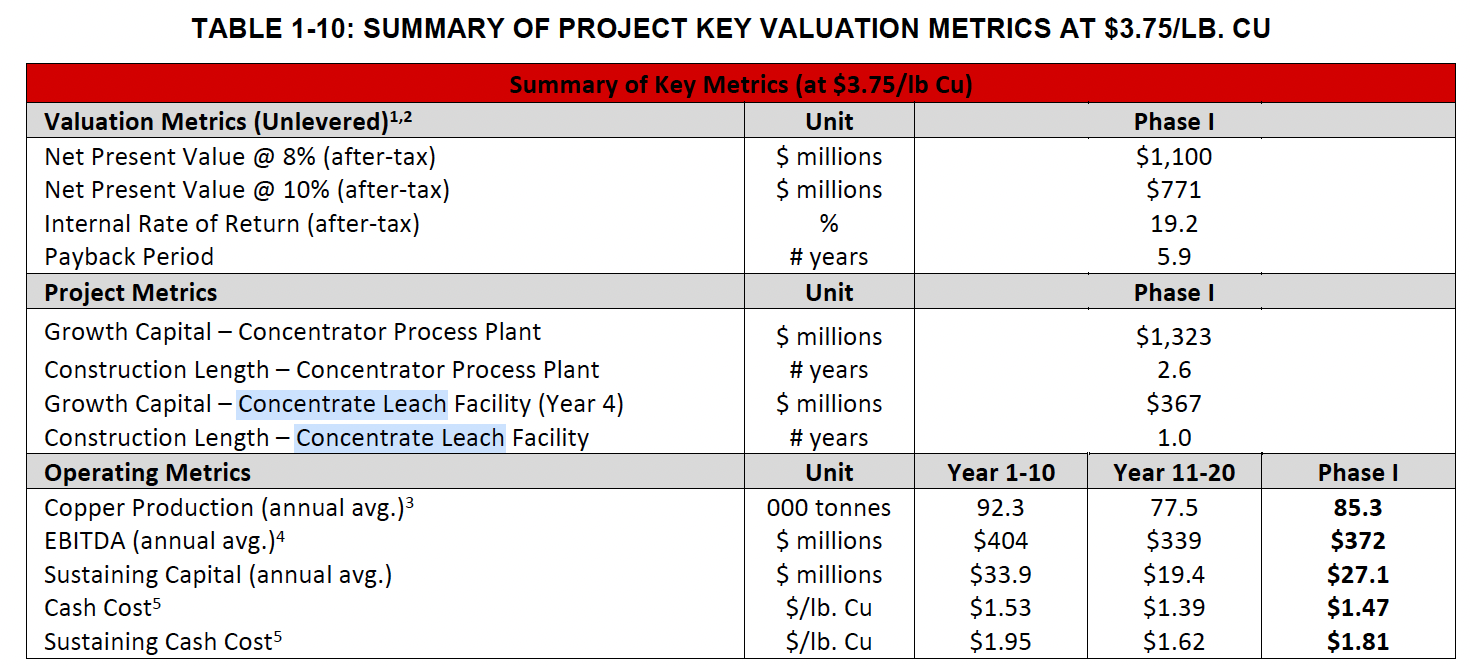
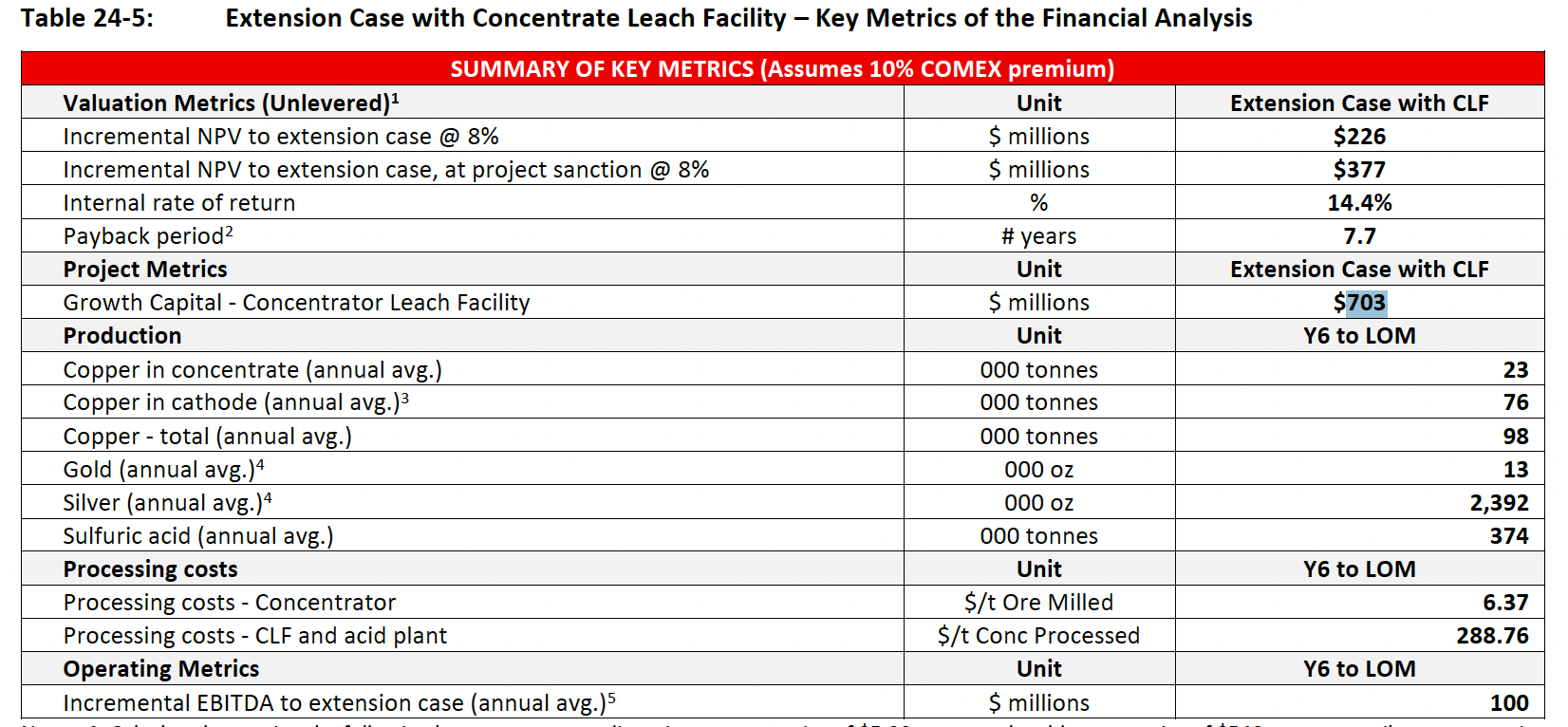
Hudbay’s filing shows that spending planned for the concentrate leaching system called the Albion Process has been shifted to investing $443 million to expand the size of the processing mill from 60,000 tons of ore per day to 90,000 tons in the fifth year of operation.
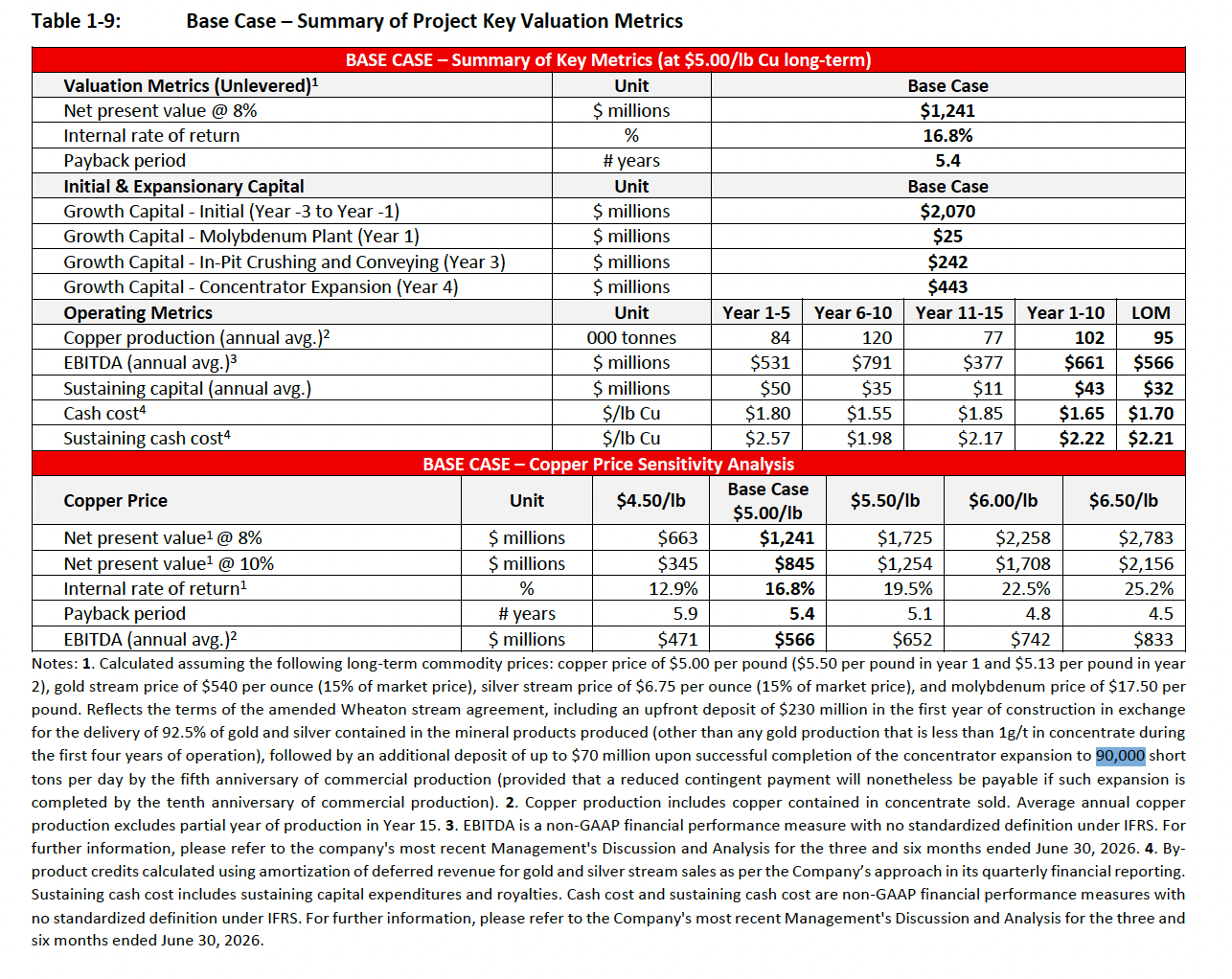
This means all of the copper concentrate produced at Copper World, which Hudbay claims will become the third largest open pit copper mine in the United States, will be exported to overseas smelters where it will be refined into metal for industrial applications.
Japanese and Chinese smelters are the likely destination. Rather than boosting America’s refined copper supply chain, as Hudbay has promised for years, the value-added economic benefits that come from producing copper metal will go overseas.
“Hudbay’s propaganda campaign unraveled when it was required to reveal Copper World’s funding and construction plans to regulators,” says Save the Scenic Santa Ritas Executive Director John Dougherty.
“The Albion Process has been around for 30 years but never used at the scale Hudbay was promoting,” Dougherty says. “This was a marketing ploy to generate public and political support for a financially risky and environmentally disastrous project.”
Hudbay made the disclosures in a “Definitive Feasibility Study” and accompanying Oct. 21 press release. Hudbay, and its 30% joint venture partner Mitsubishi, also announced their formal approval to begin construction of Copper World, although work has been ongoing for several years.
“This does not change our 30 years of opposition to mining in the Santa Rita Mountains,” Dougherty says. “We will continue to work with our allies, including Pima County, City of Tucson and regional tribal governments to stop this now clearly unnecessary project.”
Senate to vote on permitting reform bill on Nov. 9 that would benefit Copper World
Hudbay’s shift from an onsite refined copper producer to an exporter of copper concentrate comes just weeks before the U.S. Senate is poised to vote on a 400-page permitting reform bill that includes language that would allow Hudbay to quickly access federal land that could greatly increase its profits.
SSSR strongly opposes passage of the permitting bill and urges supporters to immediately contact Arizona’s two Democratic Senators, Mark Kelly and Ruben Gallego, and request they vote against the Bipartisan American Affordability and Jobs Act scheduled for a crucial Nov. 9 vote. (See Action Alert and Fact Sheet.)
Hudbay’s mining plan described in the DFS initially relies only on private land to avoid triggering federal permitting requirements that are now in place. These include complying with the Endangered Species Act, Clean Water Act, National Historic Preservation Act, and National Environmental Policy Act.
The permitting reform bill would seriously weaken these laws, clearing the way for mining companies to easily access federal lands to construct mining operations, pipelines, waste dumps and other infrastructure.
Relying on private land is hamstringing Copper World because it lacks necessary space to dump waste rock and mining waste called tailings.
“An important constraint on the mine production schedule is the limited space for disposing of waste rocks, tailings, and low-grade stockpiles, resulting in a sub-optimum mining sequence from a strict economic standpoint,” Hudbay’s DFS states.
Permitting bill would allow Hudbay to immediately access federal land
Passage of the permitting bill, known as BAAJA, would allow Hudbay to access thousands of acres of the Coronado National Forest on the east side of the Santa Rita Mountains without having to go through the current rigorous federal permitting process.
“Securing Federal permits earlier would unlock significant benefits to the project by removing these important constraints on the mining schedule and likely allow more tons and/or better grades to be mined earlier than currently planned,” Hudbay’s DFS states.
But enacting BAAJA would come at a tremendous cost to the environment and Arizona’s rapidly constraining water supply.
“Copper World would drain groundwater beneath Sahuarita and Green Valley, destroy a watershed that supplies renewable drinking water for Tucson, ruin suitable wildlife habitat for endangered species including jaguars and a desecrate a mountain sacred to Native American Tribes,” Dougherty says.
An Oct. 21 letter to the Senate signed by SSSR and scores of environmental groups opposed to BAAJA warns enactment “will eviscerate public lands protections, prevent the public’s ability to protect themselves from harmful projects, cede management decisions to fossil fuel polluters, restrict Tribal consultation and cultural resource protections, limit judicial review, and further enable foreign-owned mining companies to seize public lands and contaminate America’s precious streams and rivers.”
Directly contrary to its stated intentions, Dougherty says BAAJA would seriously damage the American economy by allowing Hudbay to transfer billions of pounds of copper extracted from federal land to Japanese and Chinese smelters where it will directly benefit their economies while leaving Arizona with an environmental catastrophe and economically poorer.
“There is no need to pass such seriously flawed legislation that hasn’t gone through the normal committee review process during a lame duck Congress,” Dougherty says. “This is an attempt to ram a far-reaching bill through the Senate without any debate and should be rejected.”
Hudbay’s belated admission that it intends to export copper from its Copper World mine provides tangible proof why the Senate should not approve BAAJA.
Please, everyone, contact Senators Kelly and Gallego, both by email and phone, to oppose the Bipartisan American Affordability Act — by first opposing the Cloture Vote that will come up soon. Senator Kelly’s Arizona Office is at 602-671-7901 and Senator Gallego’s Tucson Office phone is 520-777-0400. If you get a recording, leave a message and keep calling other offices listed on their websites. Thank you.